Hopp til innhold

#KlimaOslo

Size: x-small

Type: color

2.1 The City Government’s initiatives for reducing GHG emissions in Oslo

In 2019, road transport, waste incineration and construction accounted for almost 90 % of all GHG emissions within Oslo’s boundaries. The remaining emissions primarily originate from shipping, abandoned landfill sites and the heating of buildings. In this Climate Budget, the City Government has therefore prioritised tightening the instruments aimed at reducing the three largest sources of emissions. The City Government’s initiatives in this year’s Climate Budget are presented below.

2.1.1 Road transport

Public transport heading out of the pandemic

Through long-term and targeted initiatives, public transport has been developed over a period of many years into a genuine competitor to the car. The decline in the number of journeys being made by public transport during the coronavirus pandemic has resulted in an extraordinary situation for public transport and its associated funding. New travel patterns need to be established in the wake of the pandemic. The City Government is aiming to reduce car travel and encourage more people to travel by public transport. This involves efficient and attractive public transport services. Walking and cycling have become increasingly popular during the pandemic. The goal going forward is to maintain or increase the number of people walking and cycling, while at the same time ensuring that public transport at least wins back the market share lost during lockdown. Overall, the proportion of climate-friendly travel shall increase. For 2022, the City Government is proposing an appropriation of NOK 135 million with the aim of maintaining the overall level of public transport provision in the face of reduced ticket revenue. Furthermore, the City Government is proposing an annual increase of NOK 50 million to ensure zero-emission ferry and bus operations in Oslo by the end of 2023.

For 2024 and 2025, the City Government is proposing an annual increase of NOK 25 million for improvements to public transport.  An annual appropriation of NOK 4 million is also proposed for study and analysis capacity to boost the systematic work being carried out to reduce traffic and improve the accessibility of public transport. A number of major bus contracts will commence in Oslo in 2022 and 2023, and under the City Government’s budget proposal, it will be possible for Ruter’s operations (the dominant bus company in Oslo) to be zero-emission by the end of 2023, bringing forward the goal of zero-emission public transport by 2028.


Oslo set to become a pilot city for zero-emission heavy vehicles

By 2025, the “Pilot city for zero-emission heavy transport vehicles» initiative will cut emissions from heavy vehicles by more than 17,000 tonnes CO2e per year. In addition, climate requirements regarding the transport of bulk materials will contribute emission reductions of approximately 2,000 tonnes CO2e annually. In order to achieve this, the City of Oslo has developed a coordinated package of instruments for heavy vehicles, which aim to accelerate the transition from diesel to electricity, hydrogen or biogas. Key instruments are environmentally differentiated rates in the road toll payment system, climate requirements in procurements, cooperation with the business community, charging infrastructure and energy stations, in addition to a subsidy scheme for charging infrastructure. The municipality will also investigate further whether zero-emission trucks should be given access to public transport lanes on national and municipal roads. In order to rapidly meet growing demand for charging infrastructure for heavy vehicles and contribute to the establishment of a market at an early stage, the City Government is proposing an appropriation of NOK 10 million in 2022 for the establishment of charging points, totalling NOK 36 million during the economic plan period. The City Government is also proposing to set aside NOK 30.8 million from 2022 to 2025 for zero-emission construction machinery and vehicles for the Agency for Cemeteries and Burials. In addition, the City Government will set aside NOK 50 million in 2022 to cover additional costs for zero-emission heavy vehicles and machinery. In order to achieve the goal for all of the municipality’s heavy vehicles and machinery to be zero-emission by 2025, all relevant entities must draw up specific plans for the replacement of vehicles and machinery.


Development of zero-emission zones

A zero-emission zone is an area that is reserved exclusively for vehicles powered by electricity, hydrogen or biogas. The City of Oslo is investigating how a zone can be established and gradually expanded. The municipality will apply to the central government to establish a pilot project for zero-emission zones, as facilitated through the Norwegian government’s Climate plan for 2021-2030 (Report to the Storting No. 13 (2021-2030)). The City Government is allocating NOK 4 million in 2022 and NOK 10 million in 2023-2025 for essential investments in the establishment of a zero-emission zone.

Norconsult has estimated that a zero-emission zone limited to Oslo city centre (the car-free “city life area” outside Grønland and Tøyen) could result in emission reductions in 2023 of 8,000 tonnes CO2 in Oslo alone, and 27,000 CO2 tonnes including the impact outside Oslo’s boundaries. With a zone within Ring 2, emissions can be reduced by an estimated 31,000 tonnes in Oslo alone, and 76,000 tonnes including the impact outside Oslo’s boundaries. Zero-emission zones can thus become a powerful instrument which could bring about reductions equivalent to one third of the estimated carbon capture effect of the Klemetsrud facility.  The study of zero-emission zones will continue in 2022, with the aim of entry into force during the term of the current city government. Zero-emission zones in Oslo are also a priority area in the EU’s MOVE21 innovation project. Oslo is leading MOVE21, and approximately NOK 30 million of the funding from the EU has been granted to participants from the Oslo region.


More and better charging infrastructure to be built

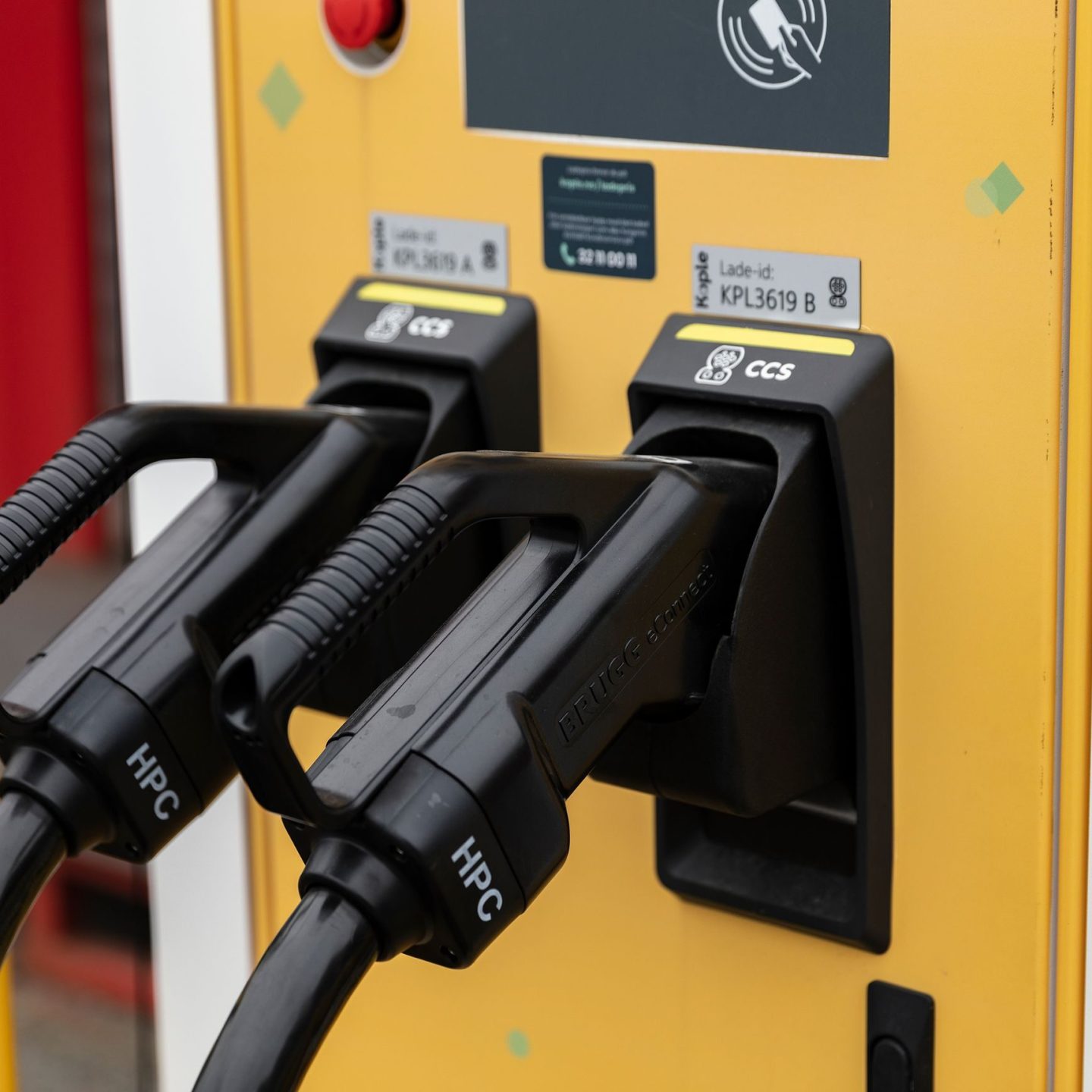
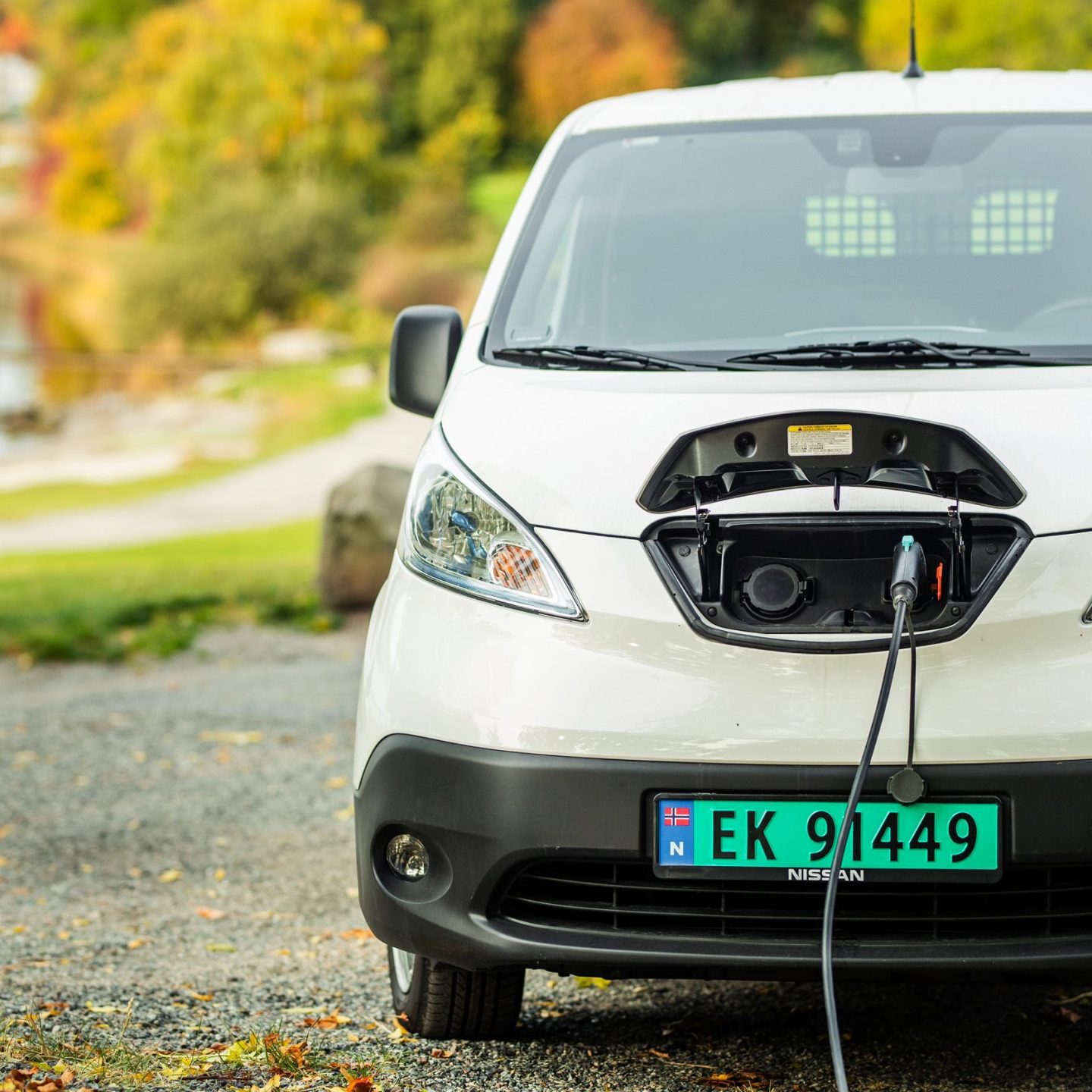
The widespread provision of charging infrastructure for all vehicle groups is an essential prerequisite for electrification of the transport sector. Although charging is essential for electrification, it is not possible to estimate the impact of measures relating to charging infrastructure in isolation. The City Government is proposing the appropriation of NOK 15 million in 2022, NOK 61.5 million annually during the period 2023-2024 and NOK 30.5 million in 2025 for charging infrastructure for cars, taxis, vans, trucks and buses (excluding Ruter). A total of NOK 168.5 million of new funding will be allocated for charging infrastructure during the economic plan period. This is in addition to the existing funding for charging infrastructure for 2022 of NOK 35.5 million. The establishment of charging infrastructure is a prerequisite for the introduction of other measures such as zero-emission zones and climate requirements concerning the taxi industry and procurements. In addition, NOK 2 million is being set aside annually for 2024 (a total of NOK 6 million) for the rental of containerised charging solutions for the ultra-fast charging of electric trucks and dumper trucks. See the section on building and construction for additional appropriations for containerised charging solutions.


Parking measures to reduce road traffic and GHG emissions

Parking measures are a crucial and effective means of limiting road transport, and thereby reducing GHG emissions. This view is supported by urban studies conducted by the Norwegian Public Roads Administration covering all major urban areas in Norway from 2018. It is almost impossible to calculate the precise climate impact of parking measures in isolation, as this instrument interacts with many other instruments in the transport sector.

The municipality’s parking regulations, which are intended to stimulate reductions in road transport and the transition to zero-emission vehicles, remain in place. Parking charges in the yellow zone, including non-resident parking in residential zones, will rise by 25 % in 2022, in line with previous resolutions. The increase in charges will apply to both fossil fuel cars and electric cars. New parking regulations, which set out rules concerning the number and design of parking spaces for cars and bicycles linked to residential and commercial buildings, will be presented for political consideration during the first half of 2022. The municipality is also trialling a scheme for car-sharing in public car parking spaces. The aim of this trial scheme is to facilitate the greater use of car-sharing, reduce overall car use in Oslo, and reduce public road space used for parking. The trial scheme will be evaluated after 2022.


Strengthening the efforts relating to climate-friendly travel to/from work in municipal entities

Access to (free) parking at the workplace is a key factor in people opting to drive to work. The City Government is proposing to set aside NOK 10 million to continue the support scheme under which municipal entities can apply for funding to enable their employees to travel in a more climate-friendly way when travelling on business and to and from work. The City Government will also ask all municipal entities to present a plan to enable their employees to commute to and from work in a more climate-friendly way. In addition, the entities shall present a plan which explains how business travel will take place using climate-friendly forms of transport. The entities will be asked to consider whether parking spaces can be removed completely and/or whether charging facilities can be provided where they are not already available. The City Government will continue to encourage private and public sector employers to introduce fees for the use of employee parking spaces.


Road tolls for fossil fuel cars to be increased

A supplementary agreement to the urban growth agreement has been signed which includes lower road tolls for zero-emission vehicles. This will contribute to emission reductions during the economic plan period. Oslo Package 3 will be renegotiated during 2022. Oslo will then strive to secure further cuts in emissions through increases in road tolls and time-based pricing, combined with an increase in the price differential between fossil fuel vehicles and zero-emission vehicles. For example, an increase in the price differential between fossil fuel and electric vehicles of NOK 20 through to 2025 could reduce emissions by around 22,000 tonnes CO2 in 2025, compared with the scenario where no new measures are introduced.

Exemptions/discounts for biogas-powered heavy vehicles inside the road toll ring, which was adopted by the steering group for Oslo Package 3 two years ago, could also become an important climate measure in 2022. The City Government will work to ensure that the exemption enters into force in Oslo in January 2022, but this will require certain clarifications from the Norwegian Public Roads Administration. In May 2021, the Storting decided to ask «the Government to ensure the equal treatment of biogas vehicles and zero-emission vehicles on routes funded via road tolls with effect from 1 January 2022».

2.1.2 Building and construction

Imposition of climate requirements

In the 2021 Climate Budget, the City Government decided to introduce requirements for fossil-free construction sites in new zoning plans.  This instrument will significantly reduce emissions from construction sites over the next few years, by up to an estimated 100,000 tonnes CO2e in 2025. This estimate is uncertain, as the figures provided by the Norwegian Environment Agency are of poor quality. The City Government is also keen to ensure that municipal construction sites are fossile-free and will set aside NOK 6 million in 2022 for the establishment of sufficient electrical capacity at construction sites at Oslobygg (battery containers) and Boligbygg (power supply for charging), as well as NOK 2.5 million annually for two positions which will be responsible for developing and following up environmental and climate requirements in procurements.  The City Council is also proposing to set aside NOK 44.4 million annually in the economic plan to cover additional costs relating to the Agency for Urban Environment’s road operation contracts, partly as a result of climate and environmental requirements. Environmental and climate requirements in public procurements are one of the municipality’s key instruments in the promotion of climate-friendly solutions in all sectors. In 2022, the City Government will tighten the requirements concerning the municipality’s new joint procurement agreements and require zero emissions from the transport of goods and services.


Fossil-free transport and handling of bulk materials

Since 2020, the City of Oslo has required the fossil-free transport of bulk materials to and from construction sites in its own projects. All projects involving the transporting of bulk materials where the municipality is the buyer are expected to become fossil-free during the economic plan period.

The City Government will continue to strive to make the handling of bulk materials more climate-friendly. This includes a set of criteria for assessing the climate impacts of all planning and building cases. The Agency for Planning and Building Services has received funding from the Klimasats grant scheme for a two-year project with a bulk materials coordinator to ensure the climate-friendly handling of bulk materials throughout the planning process.


Emissions from construction materials

Emissions from the production and handling of construction materials are amongst the largest emission sources to which the City of Oslo’s own entities contribute outside the municipality’s boundaries. The City Government is working to set an ambitious target to reduce GHG emissions from material use by its own entities. Funding has been awarded by the Klimasats grant scheme for the realisation of a digital tool for life-cycle calculations.

2.1.3 Waste incineration

Establish carbon capture and storage at Klemetsrud

The City Government will continue to work to achieve carbon capture and storage (CCS) at the Klemetsrud waste-to-energy facility. This will be crucial in achieving Oslo’s climate targets. In Report to the Storting 33 (2019-2020) Longship – Carbon capture and storage, the Government proposed the awarding of NOK 3 billion to Fortum Oslo Varme’s carbon capture project, subject to the condition that Fortum Oslo Varme AS obtains sufficient self-funding and funding from the EU or other sources. Fortum Oslo Varme As has applied for funding from the EU’s Innovation Fund. The project is currently in the second round of the application process. A final response is anticipated during the last quarter of 2021. Subject to these assumptions and in light of the application process for the EU’s Innovation Fund, the project may not become operational until 2026 at the earliest.

Household waste in Oslo is incinerated at Haraldrud. The municipality is currently investigating the possibility of incinerating household waste with carbon capture. This includes entering into a dialogue with Oslo Fortum Varme AS and other potential suppliers of carbon capture incineration services. Assuming that the dialogue with the market is productive, or that it is decided that the municipality will continue to process household waste inhouse with carbon capture, this will eliminate the second largest point emission source in the municipality. In addition, it will be important in 2022 to clarify the instruments that will be required to achieve the target plastic recycling rate of 65 % by 2030. This will be determined on the basis of an ongoing investigation. Ensuring that more waste plastic is sorted upon disposal will be an important step in achieving the climate targets.

2.1.4 Spatial planning

Climate considerations in the land-use section of the municipal master plan

Oslo is revising its land-use section for the municipal master plan, with the aim of ensuring that this section can be adopted in 2023. The key instrument in the land-use section for contributing to the 2030 target lies in the coordination of land use and transport. To ensure that the land-use section actually underpins the 2030 target, the climate impacts of the plan must be analysed. In particular, the analysis will address the consequences of the overarching measures in the land-use section as regards GHG emissions from road transport and land-use reallocation.


Further development of climate criteria in the processing of planning and building matters

In order to highlight and assess how the consideration of planning and building cases contributes to attainment of the climate targets, the Agency for Planning and Building Services has developed climate criteria for use in case processing. In cooperation with Bergen, Oslo is now working to further develop the climate criteria in order to also assess GHG emissions which occur outside the municipality’s boundaries when considering planning and building cases. The methodology can be used in projects in both the private and public sectors.


The Climate and Energy Fund

Through subsidies for climate and energy measures, the City Government is facilitating the implementation of measures by residents and businesses in Oslo to reduce GHG emissions and improve energy efficiency.  The City Government is proposing to continue the commitment of NOK 120 million. Relevant subsidy schemes in 2022 that can help to cut GHG emissions include:

Road transport:

  • Subsidies for charging facilities at housing cooperatives and jointly owned properties
  • Subsidies for charging facilities for electric vans for companies
  • Subsidies for rapid chargers for vans
  • Subsidies for charging stations for electric taxis
  • Subsidies to purchase electric cargo bikes for companies
  • Subsidies for climate-smart travel to/from work
  • Subsidies to provide secure bike parking for housing cooperatives and jointly owned properties
  • Subsidies for the charging of heavy vehicles
  • Subsidies for depot charging facilities for buses (excluding Ruter’s buses)

Building and construction:

  • Subsidies for mapping how a construction site can become a zero-emissions site
  • Subsidies for electric motorised equipment

Energy improvements:

  • Subsidies for the installation of solar panels in housing cooperatives, jointly owned properties and commercial buildings
  • Subsidies for insulation and the replacement of windows and doors in housing cooperatives and jointly owned properties
  • Subsidies for energy improvements in private housing

All sectors:

  • Subsidies for pilot and development projects for climate cuts and energy savings

Size: medium

Type: image

Rapport

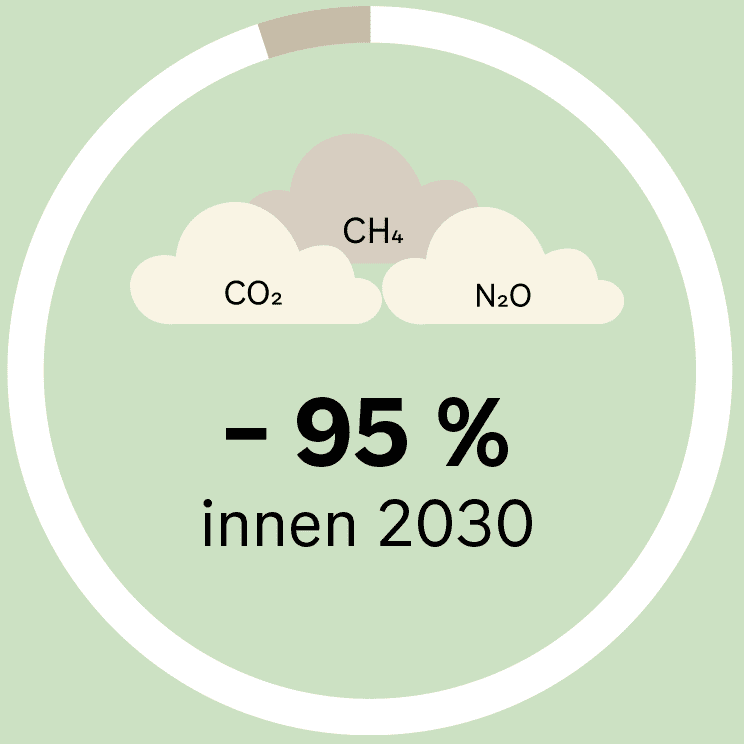
In 2030, greenhouse gas (GHG) emissions in Oslo shall be reduced by 95 % compared with 2009. The City of Oslo has developed a dedicated Climate Budget, which serves as a governance tool for its climate work.

The Climate Budget presents reduction targets and mitigation measures which are being implemented in Oslo to reduce emissions within the municipality, and describes important initiatives in order to achieve the targets set out in the Climate Strategy (proposition 109/20). Responsibility for implementing measures is delegated between the municipal entities and entails similar reporting requirements to the existing financial reporting arrangements. The Climate Budget also identifies the national and regional measures that directly contribute to emission reductions in Oslo.


The Climate Budget covers the entire 2022-2025 economic plan period.


Appendix

The 2022 Climate Budget is the sixth in the series of climate budgets. The methods used for the assessments in the climate budget are continually being developed, and there is an ongoing need to further develop, update and improve the underlying knowledge base.

The appendix elaborates on the measures in the 2022 Climate Budget, as described in Proposition 1/2022, the City Government’s budget proposal for 2022 and the economic plan 2022-2025, Chapter 2.  The appendix describes the adopted methodology and analysis for calculating the impacts of measures, the potential for further emission reductions in the climate budget and the use of emission limits. In addition, other impacts are presented over and above reductions in greenhouse gas (GHG) emission which the measures in the Climate Budget could potentially lead to.

Background documentation and technical reports used in the preparation of the 2022 Climate Budget are available from: www.klimaoslo.no/category/klimabudsjettet/

Size: medium

Type: image

Rapport

Ålegrasenger er en viktig naturtype som huser et rikt biologisk mangfold og bidrar med en rekke økosystemtjenester, inkludert opptak og lagring av CO2. Klimaetaten i Oslo kommune ønsket en utredning av kunnskapsgrunnlaget og kartlegging av muligheter for restaurering eller reintroduksjon av ålegrasenger i sine sjøområder, og hvordan dette vil påvirke karbonopptak og klimatilpasning i Oslofjorden.

I denne rapporten presenteres gjeldende kunnskap om ålegrasenger og deres økosystemtjenester og rolle for karbonopptak og klimatilpasning. Trusler mot ålegrasenger og hvordan restaurering av ålegrasenger kan motvirke de negative trendene, er også vurdert, med fokus på kystområdene innenfor Oslo kommunes grenser. Relevante lover og regler i forbindelse med restaurering blir også diskutert.

I oktober 2021 gjennomførte NIVA en befaring for å undersøke relevante områder for restaurering, som er presentert i denne rapporten.

En detaljert beskrivelse av hvordan restaurering kan gjennomføres presenteres i denne veilederen.

Les mer

Potensialet for restaurering og reintroduksjon av ålegrasenger i Oslofjorden

Sammendrag

Hovedformålet med dette oppdraget har vært å levere kunnskap om muligheter for restaurering og reintroduksjon av ålegrasenger i Oslofjorden innenfor Oslo kommunes grenser, og ålegrasengers potensiale for klimatilpasning, karbonopptak og lagring. Spesifikt ønsket Klimaetaten:

  1. En utredning av kunnskapsgrunnlaget og kartlegging av muligheter for restaurering eller reintroduksjon av ålegrasenger, og hvordan det vil påvirke karbonopptak og klimatilpasning i Oslofjorden
  2. En praktisk veileder om reintroduksjon og restaurering av ålegras
  3. Et oppdatert kartgrunnlag av ålegras i Oslo med forslag til lokaliteter for tiltak

I denne rapporten presenteres kunnskapen innhentet i forbindelse med punkt 1, mens den praktiske veilederen (punkt 2) er tilgjengelig i et eget dokument (Infantes et al. 2022). Det oppdaterte kartgrunnlaget og forslag til lokaliteter for restaurering og potensielle donor-enger er presentert i
denne rapporten (kap. 5.1).

Ålegrasenger er en marin naturtype som finnes i grunne bløtbunnsområder i tempererte områder. Det er ingen kjente forekomster av ålegras innenfor Oslo kommunes grenser i dag, men det er flere relativt store ålegrasenger i Bærum og Asker.
Totalarealet for ålegrasenger i Indre Oslofjord er beregnet til ca. 900 000 m².

Friske ålegrasenger fungerer som en naturbasert løsning for klimatilpasning som gjør kystområdene mer robuste i møte med klimaendringene. For eksempel bidrar ålegrasenger til å

  • opprettholde og beskytte et rikt biologisk mangfold som øker
    økosystemenes motstandsdyktighet mot effekter av
    klimaendringene
  • beskytte mot konsekvensene av
    økt ekstremvær ved å binde sedimentene
  • produsere oksygen som bufrer mot havforsuring

I tillegg bidrar ålegrasenger til å fjerne klimagasser fra atmosfæren. Ålegrasenger tar opp og lagrer karbon både gjennom høy lokal primærproduksjon og sen nedbrytning i sedimentene, og ved at de «fanger» partikler fra omkringliggende områder som blir lagret i sedimentene. Sedimentene er derfor det viktigste karbonlageret i ålegrasenger. Basert på studier fra andre nordiske land kan vi anta at ålegrasengene i Oslofjorden lagrer ca. 79 g karbon m-2 i plantene, 2600-4800 g karbon m-2 i
sedimentene og tar opp og langtidslagrer (sekvestrerer) 51 g karbon m-2 per år. For ålegrasengene i Indre Oslofjord tilsvarer det en lagring av ca. 71 tonn karbon i ålegraset, 2340-4370 tonn karbon i sedimentene og et årlig opptak på ca. 46 tonn karbon.

Det har vært en reduksjon i utbredelsen og tilstanden til ålegrasenger i Indre Oslofjord de siste årene, sannsynligvis på grunn av økt havtemperatur, overgjødsling, overfiske, formørking, og utbygging i strandsonen. Bevaring og bærekraftig forvaltning av eksisterende ålegrasenger er derfor nødvendig for å opprettholde de økologiske funksjonene knyttet til denne naturtypen. I tillegg kan transplantering av ålegras fra nærliggende enger brukes som tiltak for å introdusere ålegras til nye områder eller restaurere der ålegraset har blitt borte. Det har vært gjort en rekke restaureringsforsøk med ålegras globalt, men kun noen få små-skala forsøk i Norge.

For at restaureringen skal være vellykket er det viktig å forstå årsakene til at ålegraset har blitt borte og å motvirke de negative pressene på ålegraset. Generelt er lokale miljøforhold viktigere enn den spesifikke restaurerings-metoden som blir brukt. De mest effektive tiltakene for å sikre robuste ålegrasenger i møte med framtidige klimaendringer er sannsynligvis å redusere næringstilførselen og fiske-trykket. Om det er vellykket, vil restaurering av ålegrasenger kunne ha stor verdi, både som klimatilpasning og for å øke kystområdenes opptak og lagring av CO2.

Size: medium

Type: image

Rapport

Ålegrasenger er marine undervannsenger som finnes på grunne bløtbunnsområder langs Norskekysten, inkludert i Oslofjorden.
De utgjør en viktig naturtype som huser et rikt biologisk mangfold og produserer en rekke økosystemtjenester.

Klimaetaten i Oslo kommune ønsket en utredning av kunnskapsgrunnlaget og kartlegging av muligheter for restaurering eller reintroduksjon av ålegrasenger, og hvordan det vil påvirke karbonopptak og klimatilpasning i Oslofjorden.

Se kartleggingen her.

I tillegg ønsket de en praktisk veileder om reintroduksjon og restaurering av ålegras.

Denne veilederen inneholder en detaljert steg-for-steg beskrivelse av hvordan restaurering kan gjennomføres i praksis, og dekker

  • valg av område for restaurering
  • planting
  • overvåking

Kunnskap om ålegrasenger og deres rolle for karbonopptak og klimatilpasning er presentert i en egen rapport (Kvile et al. 2022).

Size: x-small

Type: color

Lederens beretning: Målet ble ikke nådd – lenge leve målet!

Oslos mål om å redusere klimagassutslippene med 41 prosent innen utgangen av 2020 ble ikke nådd. Utslippene gikk ned med 25 prosent. Det er bare å brette opp ermene. For utslippene skal ikke bare reduseres – de skal bort.

Lederens beretning. Portrettfoto av Heidi Sørensen

Heidi Sørensen, direktør i Klimaetaten

Klimamålene fra Klima- og energistrategien fra 2016 var ambisiøse og modige. Kritikerne mente at målene var urealistiske. Med fasiten på bordet kan det se ut som om kritikerne fikk rett. Men er det helt sikkert?

Mange klimatiltak har vært nybrottsarbeid, og mange nye løsninger er funnet. I 2016 fantes det ingen elektriske busser, varebiler, lastebiler eller ferjer i Oslo. Noen raringer syklet barna sine på elvaresykler og knapt noen hadde hørt om elsparkesykler. Nå er snart alle busser elektriske, 11 prosent av nye lastebiler i fjor gikk på biogass eller var elektriske, og til våren skal nye flotte elektriske øybåter frakte badegjester på fjorden.

Det fantes ikke noen elektriske gravemaskiner i 2016 heller. Nå ligger Oslo godt an til å nå målet om at all anleggsvirksomhet i regi av kommunen skal være utslippsfri i 2025. Allerede arbeider utslippsfrie maskiner på 30 byggeplasser i Oslo. Det bygges uten utslipp, med mye mindre støy og et langt bedre arbeidsmiljø. I 2016 sto oljefyring for nesten 20 prosent av utslippene, og nå er det forbudt.

Klimaarbeidet krever at mange gjør noe litt annerledes. Det er krevende endringsprosesser. I slike tilfeller er ambisiøse og mobiliserende mål viktige. Noen klimatiltak ville selvsagt blitt gjennomført uten klimamålene, men målene har definitivt gitt oss drahjelp og vist vei.

Nå skal utslippene bort

I august 2021 la FNs klimapanel fram sin sjette hovedrapport. Der slo de fast at skal den globale oppvarmingen stabiliseres må klimagassutslippene bort. Det holder ikke å redusere litt, vi må finne løsninger som fjerner utslipp av klimagasser. Målsetningen i «Klimastrategi mot 2030» er i tråd med føringene fra FNs klimapanel; utslippene skal reduseres med 95 prosent. Hensynet til klimaet må prioriteres i absolutt alle sammenhenger.

I Oslo er alle enkle klimatiltak gjennomført. Det vi står foran i tiden fram til 2030 er vanskelige valg og krevende tiltak. Skal målsetningen nås må vi ha full konsentrasjon om de virkemidlene som får ned utslippene i de store utslippssektorene. I Oslo står tre sektorer for 90 prosent av utslippene. Klarer vi å fjerne utslippene fra veitrafikken, fra avfallsforbrenningen og bygg og anleggssektoren kan vi nå målet.

To ualminnelige kommunale prosesser

I det neste året skal det fattes avgjørende beslutninger for å få ned klimautslippene i Oslo. Den første på dagsorden er nye takster i bomringen. Bomringen er vårt sterkeste virkemiddel for å få ned utslippene fra veitrafikken. Derfor er det ualminnelig viktig at klima prioriteres når takstene skal endres. Her må vi sammen med staten og Viken klare å lage et system som gjør at kollektivtransporten er konkurransedyktig i forhold til elbilen, og viktigst av alt: at det alltid skal lønne seg å velge nullutslipp foran forurensende diesel- og bensinbiler.

I kommuneplanens arealdel vedtas den overordnede arealpolitikken for Oslo kommune. Arealpolitikken avgjør i stor grad hvor lett eller vanskelig det blir å finne klimavennlige løsninger. Klima må veie tungt for hvordan vi bygger Oslo til en bedre by, men også der de klimavennlige løsningene trenger arealer må de få prioritet.

I arealpolitikken blir det også tydelig hvor viktige det er å la naturen gjøre klimajobben for oss. Oslomarka hjelper oss i håndtering av ekstremvær fordi den holder igjen vann, og trærne i byen gjør oss bedre klimatilpasset og fanger karbon. Til våren starter vi arbeidet med å restaurere Oslofjorden. Ålegraseng skal reetableres. Det er et kinderegg: ålegraseng demper bølger og gjør oss mer beskyttet mot uvær, ålegraseng er oppvekstområde for kysttorsk, viktig leveområde for flere arter og ålegras binder karbon fra atmosfæren.

lederens beretning: ålegras

NIVA og Klimaetaten på ekskursjon i Oslofjorden for å kartlegge mulighetene for å plante ålegras. Foto: Kristina Øie Kvile

Samarbeid med staten og næringslivet

Arbeidet med å redusere klimagassutslippene handler om å finne løsninger og gjøre kraftfulle prioritereringer. Dette gjøres best i samarbeid med staten og med næringslivet. Det er når alle virkemidler og sterke krefter drar i samme retning at resultatene kommer.

I alle de store beslutningene vi står foran trenger vi både nasjonale myndigheter og staten på laget. Et godt samarbeid er avgjørende for å få til en investeringsbeslutning for karbonfangst og lagring på Klemetsrud og vi trenger nasjonale myndigheter på laget for å få til nullutslippssoner og bomtakster som prioriterer klima. Uten et offensivt næringsliv vil det bli svært vanskelig å få bort alle utslippene fra bygg- og anleggssektoren. Nettverket
«Næring for klima» har styrket seg gjennom 2021, og spiller en stadig viktigere rolle for klimaarbeidet i byen.

Norge trenger klimakraften fra byene

Utslippene fra Oslo, Bergen og Trondheim gikk ned med cirka 25 prosent fra 2009 til 2020. Tilsvarende ble de nasjonale utslippene redusert med 6 prosent. Under Arendalsuka i 2021 fremmet storbyene seks klimakrav til nasjonale myndigheter fordi byene trenger handlefrihet til å redusere klimagassutslippene. Samtidig trenger Norge klimakraften fra storbyene for å få ned nasjonale utslipp. Det er her klimatiltakene prøves ut først. Og løsningene vi finner kan tas i bruk andre steder.

Vi priser oss lykkelige

I 2021 vant Klimaetaten flere priser. Både for det viktige arbeidet vi gjør for andre kommuner med opplæring i å lage klimabudsjett, og for arbeidet med klimakommunikasjon. Prisene er ikke viktige i seg selv, men er inspirasjon i hverdagen. Arbeidet med klimakommunikasjon er krevende. Det er vanskelig å nå ut til folk, og enda vanskeligere å nå ut på en måte som skaper atferdsendring. Derfor priser vi oss lykkelige når arbeidet blir anerkjent. For uten at folk flest forstår betydningen av klimaarbeidet, og blir med på endre atferd, vil vi ikke klare å nå klimamålene.

Size: medium

Type: image

Rapport

Klimaetaten har ansvar for oppfølging av Klimastrategi for Oslo 2020–2030 (byrådssak 214/19), og forvaltning av ordningen Tilskudd til klima- og energitiltak, jf. Kap. 770.

Klimaetaten skal også være pådriver for og bidra til kraftfull klimaledelse og -styring i Oslo kommune. Etaten skal koordinere kommunens klimatilpasningsarbeid. Etaten skal være et sentralt fagmiljø i kommunen og skal samarbeide med befolkningen, næringslivet, kunnskapsmiljøer, organisasjoner og andre offentlige myndigheter for å utvikle gode klimaløsninger i Oslo.

Etaten har et særlig kommunikasjonsoppdrag og skal mobilisere til atferdsendring for å nå Oslos klimamål og bygge nettverk for gjennomføring av klimatiltak.

Klimaetaten har ansvaret for det faglige grunnlaget for klimabudsjett og skal være en rådgiver og pådriver i gjennomføringen av tiltakene i vedtatt budsjett.

Klimaetaten har en sentral rolle i å følge opp og videreutvikle klimabudsjettet som styringsverktøy, samt utvikle nye styringsverktøy i klimapolitikken og klimaarbeidet til Oslo kommune.

A survey of the requirements for emission-free building and construction sites

Executive Summary

The City of Oslo’s Climate Agency has engaged SINTEF to carry out a survey of emission-free building and construction sites for Oslo Municipality’s projects. The principal themes are electricity supply, emission-free construction machinery and vehicles, and charging logistics, studying associated experiences and barriers.

This report assesses building site experiencefrom relevant projects and includes detailed studies of machine fleets, energy consumption and energy supply. The results indicate that the development towards emission-free building and construction sites is progressing rapidly, although some barriers and challenges remain.

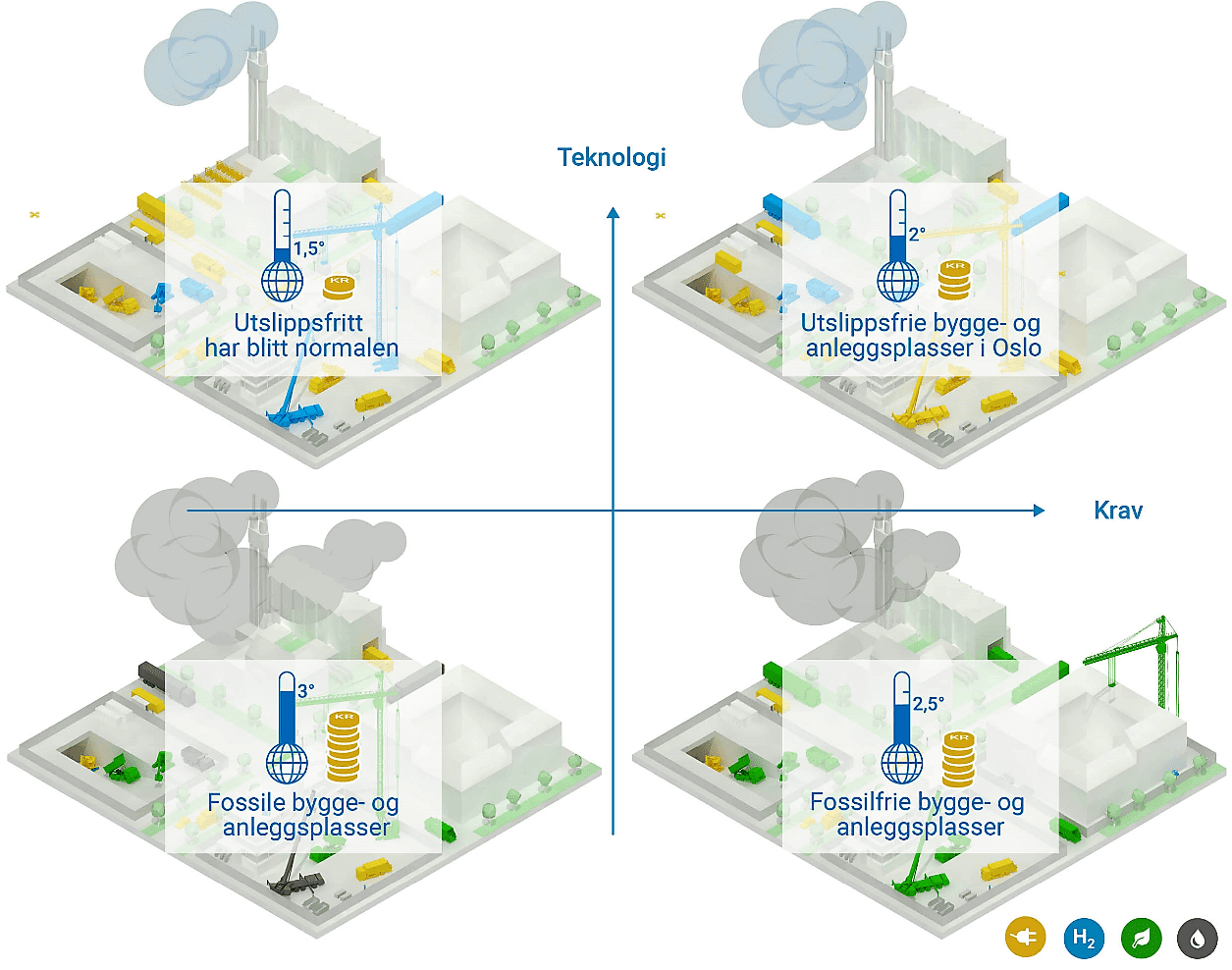
All of the municipality’s building and construction sites shall be emission-free by 2025. Standard climate and environment requirements for Oslo Municipality’s building and construction sites were introduced in 2019. With this new framework, contractors who can offer emission free construction machinery and vehicles in building and construction projects are awarded contracts where Oslo Municipality is the building owner. This is an innovative use of procurement, targeted to promote a quicker transition to emission free completion of building and construction activities in Oslo. In 2019, access to emission free equipment was limited, and the market for emission free building and construction services was still in an early phase of development. Standard requirements were introduced to contribute to the Municipality’s goal that all building and construction activities in Oslo Municipality’s public sector shall be emission free by 2025.

This survey shows that development so far is in line with the goal of Oslo Municipality’s public sector shall be emission free by 2025, and the framework has succeeded in its purpose. Between 1st January and 30th June 2021, 73 competitions for tender were published on behalf of Oslo Municipality for the construction sector. Of these, 66 competitions followed Oslo
Municipality’s standard contractual requirements and award criteria, and eight stipulated the use of emission-free concepts, the minimum requirement in six of these being the use of
emission-free excavators. This means that seven of these 73 projects were either too small or did not use electric construction machinery. There are now at least 36 construction projects in Oslo Municipality (mapped in this report) that use emission free construction machinery, vehicles and equipment.

This mapping shows that it is unproblematic with smaller electric machines and equipment. But there are some challenges relating to energy supply and charging logistics when multiple,
large construction machineries operate at the same time. It is reported that electric construction machineries generate less noise, less pollution, better air quality and a better working
environment.

The results show that there are different understandings of what an emission free building or construction site involves, and that definitions of these terms should be standardised. This will most likely be achieved through the on-going development of a Norwegian Standard prNS3770 for emission free building and construction sites.

Size: medium

Type: image

Rapport

The City of Oslo’s Climate Agency has engaged SINTEF to carry out a survey of emission-free building and construction sites for Oslo Municipality’s projects. The principal themes are electricity supply, emission-free construction machinery and vehicles, and charging logistics, studying associated experiences and barriers.

This report assesses building site experience from relevant projects and includes detailed studies of machine fleets, energy consumption and energy supply. The results indicate that the development towards emission-free building and construction sites is progressing rapidly, although some barriers and challenges remain.

All of the municipality’s building and construction sites shall be emission-free by 2025.

Erfaringskartlegging av krav til utslippsfrie bygge- og anleggsplasser

Sammendrag

Standard klima- og miljøkrav for Oslo kommunes egen bygge- og anleggsplasser ble innført i 2019 og Oslo kommune ved Klimaetaten ønsker en erfaringskartlegging av utslippsfrie bygge og anleggsplasser i kommunen. Denne rapporten ser på muligheter, utfordringer, barrierer og løsninger knyttet til strømforsyning, utslippsfrie anleggsmaskiner og lastebiler og ladelogistikk.

Bruk av spørreskjema og intervjuer med flere av etatene i Oslo kommune som benytter seg av standard klima- og miljøkrav har dannet grunnlaget for denne kartleggingen. Dialogen med
etatene viser at utviklingen så langt er i tråd med målet om at kommunens byggeplasser skal være utslippsfrie i 2025, og rammeverket fungerer i tråd med hensikten. Det er uproblematisk med mindre elektriske maskiner og utstyr, men det er fortsatt noen utfordringer knyttet til strømforsyning og ladelogistikk når flere, store anleggsmaskiner opererer samtidig.

Det rapporteres om at elektriske anleggsmaskiner fører til mindre støy, mindre forurensning, bedre luftkvalitet og bedre arbeidsmiljø. De viktigste barrierene og utfordringene som er klarlagt viser at det kan være lange avstander til deponi som fører til at det kan være vanskelig å benytte seg av utslippsfrie løsninger og som fører til at det benyttes biodrivstoff eller fossilt drivstoff. Det er fortsatt få tilgjengelige elektriske anleggsmaskiner og lastebiler og høy etterspørsel. I noen tilfeller er det problematisk med provisoriske strømforsyningsløsninger og det kan føre til logistikkutfordringer på byggeplass.

Det er også identifisert flere muligheter og løsninger som blant annet ser på hvordan man kan tilpasse arbeidsrutiner og ladeløsninger til en utslippsfri byggeplass og få til en mer effektiv
lokal utnyttelse av masser for å redusere transportbehovet. Større behov for samhandling og dialog i en tidlig fase både mellom kommune og leverandører, men også med strømleverandører har blitt tydelig gjennom kartleggingen.