Direct emissions
Oslo’s greenhouse gas emissions in 2030 will be reduced by
95 %
compared with 2009
Indirect emissions
Oslo’s contribution to greenhouse gas emissions outside the municipality will be significantly lower in 2030 than in 2020
Energy
Oslo’s total energy consumption in 2030 will be reduced by
10 %
compared with 2009
Climate adaptation
Oslo’s resilience to climate change will be strengthened towards 2030, and the city will be developed to be prepared for the expected changes towards 2100
Natural carbon storage
Oslo’s natural environment will be managed to preserve natural carbon sinks in vegetation and soil and increase the uptake of greenhouse gases in forests and other vegetation by 2030
Direct emissions
Oslo’s greenhouse gas emissions is reduced by
30 %
compared with 2009.
Indirect emissions
Construction materials are the largest source of Oslo’s indirect emissions. The municipality sets climate requirements in its own construction projects and has increased its focus on renovation and greater reuse in municipal projects.
Energy
Oslo’s total energy consumption is reduced by
10 %
compared with 2009.
Climate adaptation
Oslo municipality sets requirements for stormwater management in all planning cases and projects across the city, and continues its work to strengthen blue-green infrastructure from the forest (Marka), through the city, and down to the fjord.
Natural carbon storage
In Oslo, more than 1,000 decares of carbon-rich land were developed between 2010 and 2020. Carbon uptake has decreased over the past ten years.
Direct emissions
Adopted measures will reduce Oslo’s greenhouse gas emissions by
70 %
in 2030.
Indirect emissions
Adopted measures will contribute to a more circular construction sector in Oslo, as well as more circular operations across the municipality’s own activities.
Energy
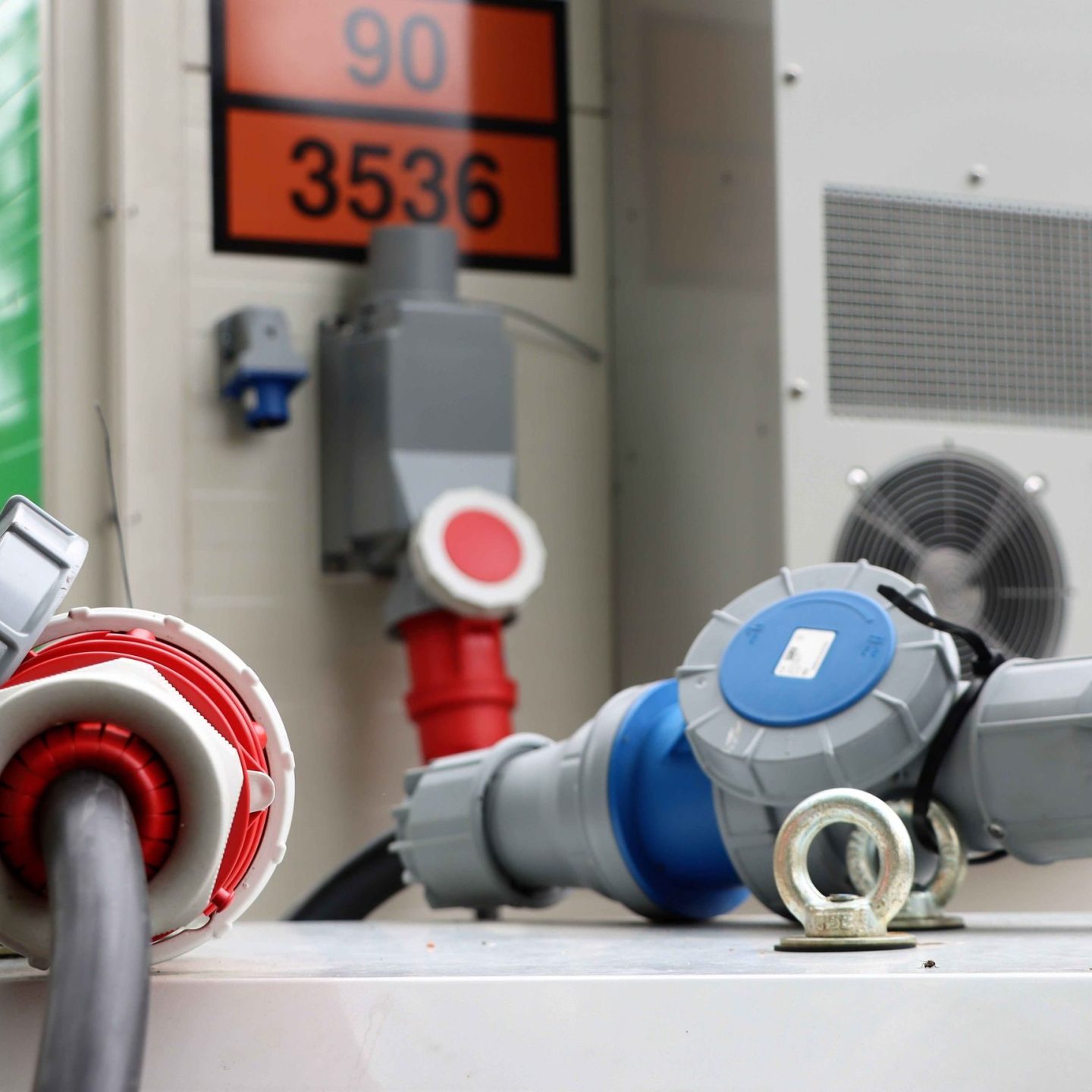
Adopted measures can make approximately 11 MW of capacity available. The future total power demand of heavy transport and the construction sector is estimated at around 100 MW.
Climate adaptation
Adopted measures will strengthen Oslo’s floodway and stormwater retention network and further develop blue-green areas that absorb and treat stormwater, regulate temperature, prevent drought, and stabilise the ground.
Natural carbon storage
Adopted measures will help preserve carbon-rich areas through a transition to more climate- and nature-friendly forestry practices, and by developing tools to make Oslo a land-use neutral municipality.

Climate Budget 2026
Read more about The Climate Budget for 2026
How the Climate Budget works in Oslo
Read more about how the Climate Budget translates climate goals to funding, responsibility and follow-up.
Climate Budgeting process
Read more about how the Climate Budget is integrated into the municipality’s financial budgeting process.
Oslo’s Climate Strategy towards 2030
Read more about Oslo’s climate goals and associated priority areas.