Size: large
Type: image
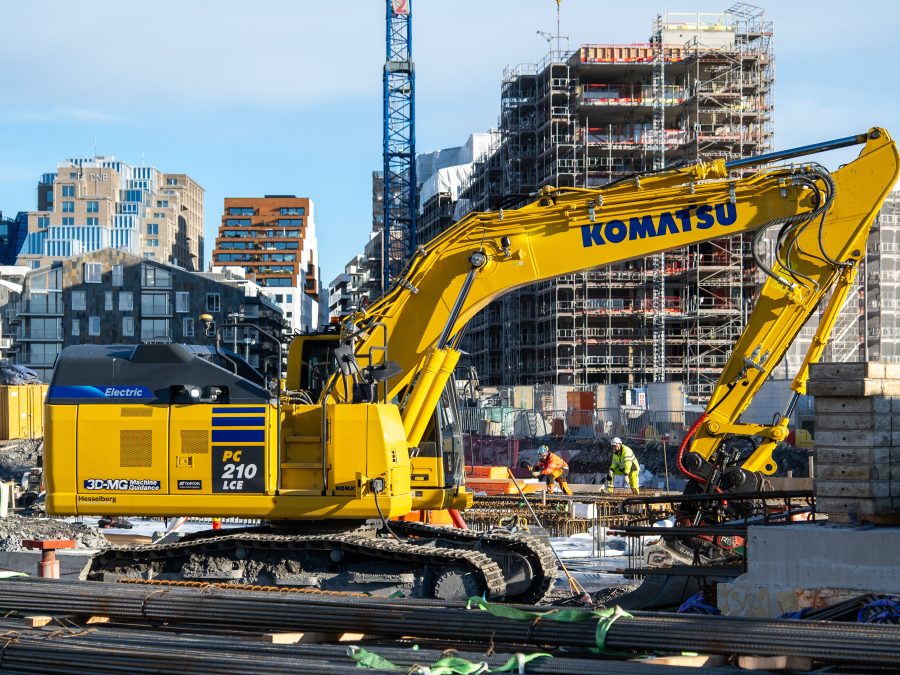
Requirements for zero-emission construction sites in Oslo will help ensure sustainable urban development and reduce greenhouse gas emissions in line with Oslo’s target of a 95 per cent reduction in emissions by 2030.
Construction and civil engineering sites account for a significant share of Oslo’s direct emissions. The City Government therefore proposes introducing requirements for zero-emission construction sites. The regulations have been subject to public consultation and have been adjusted following the consultation process and input from the industry. The aim is to support more sustainable development of Oslo as a city and further reduce greenhouse gas emissions.
“Today marks another important step towards making Oslo greener. By requiring electric excavators, lorries and other vehicles at construction sites, we can reduce emissions as well as local air pollution and noise. This is yet another example of Oslo taking the lead and showing the way in the fight against climate change,” says Marit Vea (V), City Government Commissioner for Environment and Transport.

Marit Vea (V), City Government Commissioner for Environment and Transport
The industry will be given time to plan
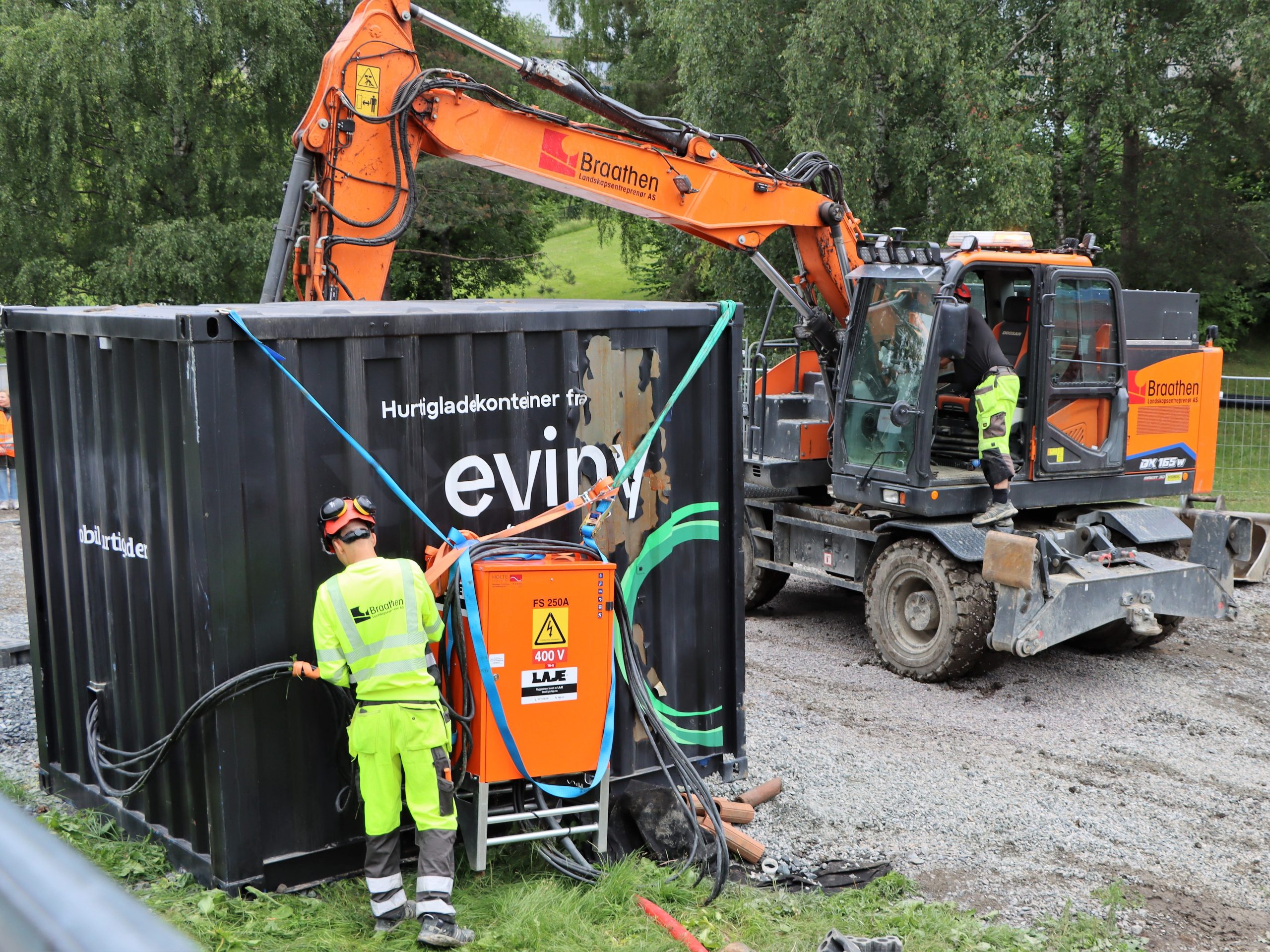
Nearly 200 projects carried out by Oslo Municipality have already been completed using zero-emission machinery. The City Government now proposes extending the requirements to all construction sites above a certain size.
“Experience from Oslo Municipality’s own construction sites shows that the market for electric construction machinery is growing rapidly, and that the requirements we are now proposing for the rest of Oslo’s construction industry are achievable. Bringing the entire industry on board provides predictability in the market, while the impact will be much greater than when the municipality acts alone,” says Vea.
The regulations are proposed to enter into force on 1 July 2027. However, the requirements will not apply until one year later. This will give the industry sufficient time to plan for compliance with the requirements and to apply for exemptions from the rules where necessary.
“It is important to the City Government that we introduce these requirements in a way that works together with the business community. We will therefore introduce the requirements gradually and in stages over several years, and we are giving two years’ notice before the first stage is introduced. We will review and assess how this is working before proceeding to the next stage,” says Anita Leirvik North, City Government Commissioner for Urban Development.

Anita Leirvik North, City Government Commissioner for Urban Development
Exemptions possible
The regulations now being submitted to the City Council for consideration have been revised from the proposal that was subject to public consultation. The following phased increase in the requirement for zero-emission energy use is proposed:
- From 1 July 2028, at least 30 per cent of energy use at each construction and civil engineering site must be based on zero-emission solutions or biogas.
- From 1 July 2030, at least 60 per cent of energy use at each construction and civil engineering site must be based on zero-emission solutions or biogas.
- From 1 July 2032, at least 75 per cent of energy use at each construction and civil engineering site must be based on zero-emission solutions or biogas.
The regulations exempt the smallest construction and civil engineering projects and will only apply if the building exceeds 500 m² of gross floor area (GFA), or if the project involves civil engineering work resulting in the movement of more than 500 m³ of material. The municipality may, upon application, grant exemptions from the requirements where it is documented that the requirements are not technically feasible, would be disproportionately costly to meet, or that other compelling considerations cannot otherwise be adequately addressed.
The consultation process also highlighted concerns about the overall volume of requirements and regulations that the construction and civil engineering industry must comply with.
“We are now announcing a review of municipal requirements, including climate requirements, sequencing requirements and design requirements, the Oslo Model and others, with the aim of reducing the overall number of requirements and the costs associated with them. The review will also identify requirements that may conflict with one another,” says North.
“What we require must have a real impact, and the overall number of requirements must not become excessive,” she concludes.